

 Skip to content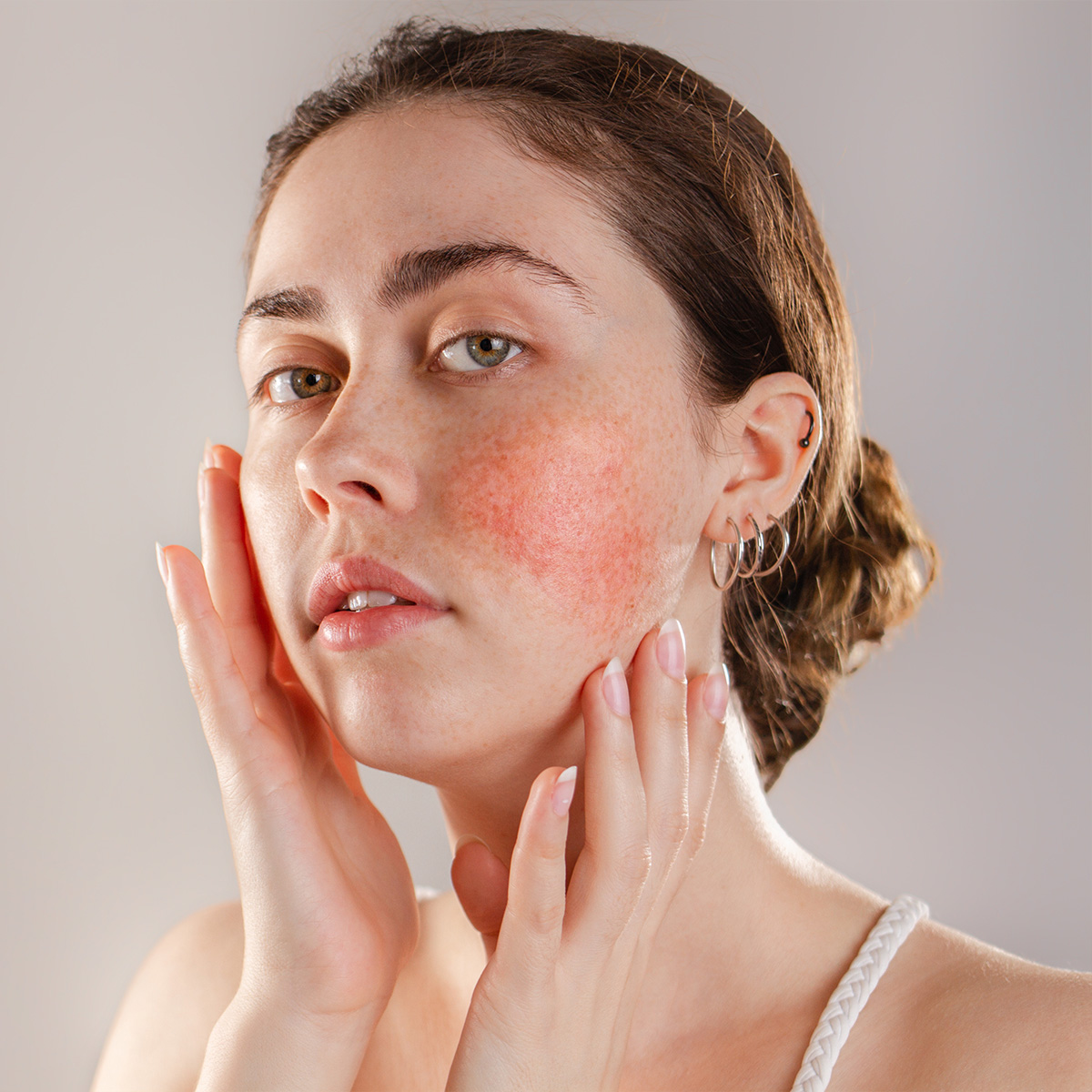
Rosacea is a chronic inflammatory skin condition characterized by persistent facial redness, visible blood vessels, flushing, and sometimes papules and pustules — making rosacea treatment and facial redness therapy an important consideration for those affected. It varies significantly from patient to patient, which is why effective rosacea treatment requires a clinical assessment, not a one-size-fits-all approach. For many patients, finding the best dermatologist treatment for persistent facial redness makes a meaningful difference in both skin health and daily confidence.
Rosacea can appear anywhere on the surface of the face, including:
The exact cause of rosacea isn’t fully understood, but research points to a combination of genetics, an overactive immune response, and an overgrowth of Demodex folliculorum — tiny microscopic mites that live naturally on everyone’s skin. In people with rosacea, too many of these mites can trigger inflammation, leading to the redness, flushing, and visible blood vessels characteristic of the condition. UV exposure, temperature extremes, alcohol, spicy foods, and stress can all make symptoms worse. Identifying your personal triggers is an important part of keeping rosacea under control.
Rosacea has no cure, but it can be effectively managed with the right rosacea treatment — combining prescription therapy, in-office procedures, and skincare. Professional care for rosacea flare management is at the center of the approach at WAVE, where Deb Litke, NP, prescribes both topical and oral medications, including compounded formulations, to address the inflammatory component of rosacea alongside in-office treatments. With 16+ years of clinical dermatology experience, Deb brings a level of precision and nuance to rosacea care that goes well beyond what a general skincare routine can offer. Every treatment plan is built around your specific presentation — because no two cases of rosacea look exactly the same.
Avoiding personal triggers plays an important role in professional care for rosacea flare management between treatments. Common triggers include UV exposure, extreme temperatures, intense exercise, alcohol, and spicy foods — though everyone’s triggers are different. Keeping a simple diary of flares can help identify your patterns and give you more control over the condition. Small, consistent adjustments to daily habits can significantly reduce flare frequency and make in-office treatments more effective over time.
In-office procedures target the vascular and inflammatory components of rosacea that prescription therapy alone cannot fully address — delivering effective facial redness therapy and rosacea treatment for both diffuse and discrete concerns. When combined with prescription management, these procedures offer a more comprehensive and lasting approach to controlling the condition:
Skincare is an essential part of rosacea treatment. At WAVE, sensitive skin therapy principles guide all skincare recommendations — focusing on barrier repair, gentle formulations, and sun protection tailored to your skin. The right skincare routine works in tandem with clinical treatments, helping to reduce reactivity, strengthen the skin barrier, and extend the results achieved in office.
The best way to determine your candidacy for rosacea treatment and sensitive skin therapy is to schedule a consultation.
Rosacea responds best when rosacea treatment addresses both the inflammatory and vascular components together. Book a consultation with Deb Litke, NP at WAVE to find the right treatment for persistent facial redness and build a management plan tailored to your skin. Call 339-777-5554 or book online.