Skip to content


Table of Contents
Rolling scars that used to be barely noticeable can start standing out more once you hit your 30s, even without any new breakouts. It’s not that the scars themselves changed, it’s that the skin surrounding them did, and that shift is worth understanding before deciding what to do about it.
At Wave Medical Aesthetics in Needham, MA, treatment for acne scars is something we discuss often with patients noticing this exact pattern. This article covers why rolling scars become more noticeable in your 30s, how treatments actually support renewal at a structural level, and what that renewal process realistically looks like.
Why do rolling scars respond to treatment differently once you’re in your 30s?
These treatments work by stimulating collagen production beneath the depressed areas of skin, gradually rebuilding the structural support rolling scars are missing. This is a renewal process that unfolds over a series of sessions, not something a single visit resolves.
What Rolling Scars Are and Why They Become More Noticeable in Your 30s
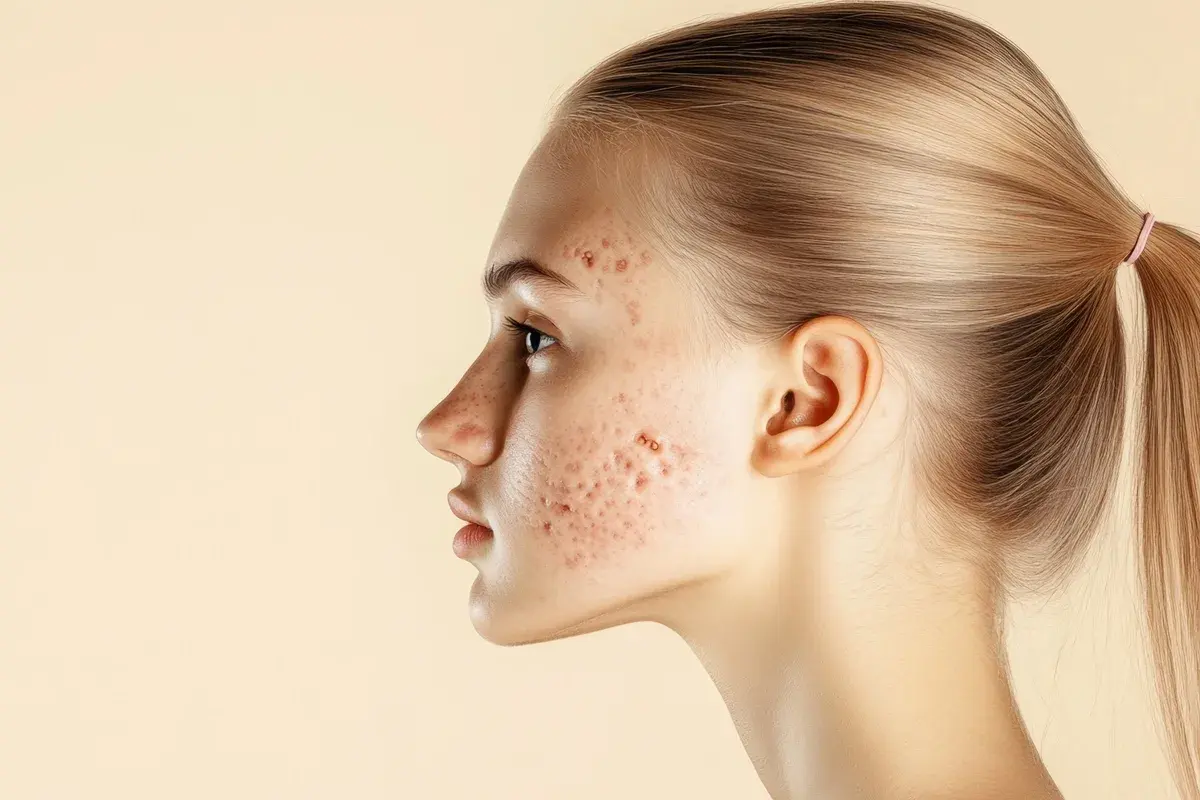
Rolling scars form when fibrous bands beneath the skin pull the surface downward, creating a shallow, wave-like depression rather than a sharp-edged indentation. A few things tend to happen at this life stage:
- Rolling scars typically appear on the lower cheeks and jaw, where skin is naturally thicker
- Natural collagen decline that begins in a person’s 30s can make existing rolling scars look more pronounced
- This is why some people notice scars becoming more visible with age, even without any new acne activity
Why Rolling Scars Don’t Improve on Their Own
No amount of waiting or product layering resolves those fibrous bands, because the real pulling happens deep under the skin, far below where any topical treatment can reach. Surface products can offer a small improvement in texture, but they aren’t designed to address what’s actually causing the depression in the first place.
This is the specific gap that professional treatment for 30s rolling scars and rough skin is designed to close, working with the deeper tissue rather than only the visible surface.
How Acne Scar Treatments Support Renewal for Rolling Scars
Treatments that stimulate collagen production help rebuild structural support beneath the depressed area, addressing the actual cause rather than just masking the appearance. As new collagen forms, the skin gradually fills in and the depression becomes less pronounced.
This kind of professional collagen induction for acne scars unfolds as a renewal process over a series of sessions, since collagen remodeling takes time to develop rather than happening all at once.
Types of Treatments Commonly Used for Rolling Scars
A few different approaches are commonly used for rolling scars, often in combination depending on scar depth and skin condition. Improving adult post-acne scarring with advanced treatments typically involves matching the specific technique to the type of scarring present, rather than applying the same approach to every patient:
Microneedling
Microneedling, including radiofrequency-based approaches, creates controlled micro-injuries that stimulate collagen production in the deeper layers of skin. This is often well suited to the shallow, wave-like depression characteristic of rolling scars.
Subcision
Subcision involves releasing the fibrous bands actually causing the depression, addressing the structural cause directly rather than only stimulating surface-level collagen.
Laser Resurfacing
Laser resurfacing uses targeted light energy to encourage collagen remodeling in the treated area. This kind of radiofrequency skin therapy for stubborn acne scarring, and laser-based approaches like it, are often used alongside other treatments for more comprehensive improvement.
What Renewal Actually Looks Like Over Time
A few things shape how this process typically unfolds:
- Initial improvement in skin texture may become noticeable within the first few sessions
- Continued renewal develops as collagen remodeling progresses over the following months
- Individual response varies based on scar depth, skin type, and the specific combination of treatments used
If you’re researching facial scar smoothing in Needham, MA, it helps to go in with realistic expectations. This is a gradual improvement process built on how skin actually rebuilds itself, not an overnight transformation.
Who Tends to Benefit Most From Treatment at This Stage
People in their 30s and beyond noticing rolling scars becoming more visible as natural collagen decline progresses tend to be common candidates for treatment. This often includes patients dealing with reducing persistent scar indentations and loss of skin elasticity at the same time, since both concerns frequently show up together at this life stage.
A consultation and skin evaluation helps determine which treatment or combination fits your specific scar depth and skin condition, rather than assuming one approach works the same for everyone.
Frequently Asked Questions
Can rolling scars be fully smoothed out, or just improved?
Many patients see meaningful improvement in texture and depth, though results vary based on scar severity and individual skin, and a provider can offer a more specific expectation after evaluating your scars directly.
How is treating rolling scars different from treating other types of acne scars?
Rolling scars respond well to treatments that rebuild structural support or release the underlying fibrous bands, while other scar types, like ice pick scars, often respond better to deeper resurfacing approaches.
Why do rolling scars sometimes look worse in your 30s than they did in your 20s?
Natural collagen decline that begins in your 30s reduces the skin’s underlying support, which can make existing scars appear more pronounced even without any new acne activity.
How many treatment sessions are typically needed for rolling scars?
The number of sessions depends on scar severity and individual response, though many patients require a series of treatments spaced several weeks apart rather than a single visit.
Ready to Talk About Renewal for Your Rolling Scars?
Rolling scars becoming more noticeable in your 30s is a common experience, and reducing deep pitted scar marks and uneven pigmentation through the right combination of treatments starts with understanding your specific scar type. At Wave Medical Aesthetics in Needham, MA, our team evaluates your skin before recommending a treatment plan built around your actual scars, not a generic protocol. Contact us to talk through what’s realistic for your skin. Request a consultation for acne scars in Needham.